Best Budget Noise-Cancelling Headphones Under £100 for UK Commuters
The 07:42 into Paddington is loud in a very particular way: the low drone of the engine, the rattle of the doors, and someone on speakerphone two rows back. Good noise cancelling will not erase that. It turns the volume down on the parts you cannot escape, so your podcast sits on top instead of underneath. The trick is finding a pair that does it for under £100 without pinching your head, dying before you get home, or falling apart by spring.
What actually matters on a British commute
Three things decide whether you still like a pair of headphones in March: how well they cut low-frequency rumble, how they feel after forty minutes, and whether the battery survives a week of forgetfulness. Everything else is detail.
Engine drone, rail squeal and the general thrum of a bus are the easy part. Almost every ANC set in this bracket handles those to some degree. Voices, tannoy announcements and crying toddlers sit in a higher range that cheap noise cancelling struggles with, which is why fit matters as much as the electronics inside.
Over-ear cups that seal around your ears give you passive isolation for free. On-ear designs and earbuds lean harder on the chip, and if the seal is broken by glasses arms, a fringe or a woolly hat, the whole effect collapses. If you wear glasses, over-ear is usually the safer bet.
The shortlist worth a look
Stock and pricing move around constantly, so treat this as a set of starting points rather than a league table. All of these are over-ear, all have app support, and all sit comfortably below the £100 mark at the time of writing.
- Sony WH-CH720N — one of the lightest options here, with Sony's app for EQ and ANC levels. Cancellation is competent rather than dramatic, and the build is unapologetically plastic, but it is easy to wear all day.
- Anker Soundcore Space One — frequently discounted, adjustable ANC, a solid app and a decent microphone for calls. A good all-rounder if you take meetings on the move.
- Soundcore Life Q30 — an older model that keeps turning up cheap. Bass-forward sound, generous battery claims and a genuinely useful app.
- JBL Tune 770NC — the draw here is battery life and a foldable frame. Cancellation is the compromise; treat it as a bonus rather than the headline.
- 1More SonoFlow — long battery claims, LDAC support for better sound on Android, and cups that suit larger heads.
- Edifier W820NB — no-frills, light, with physical buttons you can find by touch on a crowded platform.
Battery life: read the small print
Manufacturers quote two figures, and only one of them applies to you. The big number is usually with noise cancelling switched off. With ANC running, expect noticeably less — often somewhere between half and two-thirds of the headline claim. That is still plenty for a week of commuting, but it changes how often you reach for the cable.
Three details are worth checking before you buy:
- Quick charge. A ten-minute top-up that buys several hours is worth more than a bigger total figure.
- Wired fallback. Some models keep working over a 3.5mm cable when the battery is flat. Others do not. If you have ever arrived somewhere with a dead pair, you will care about this.
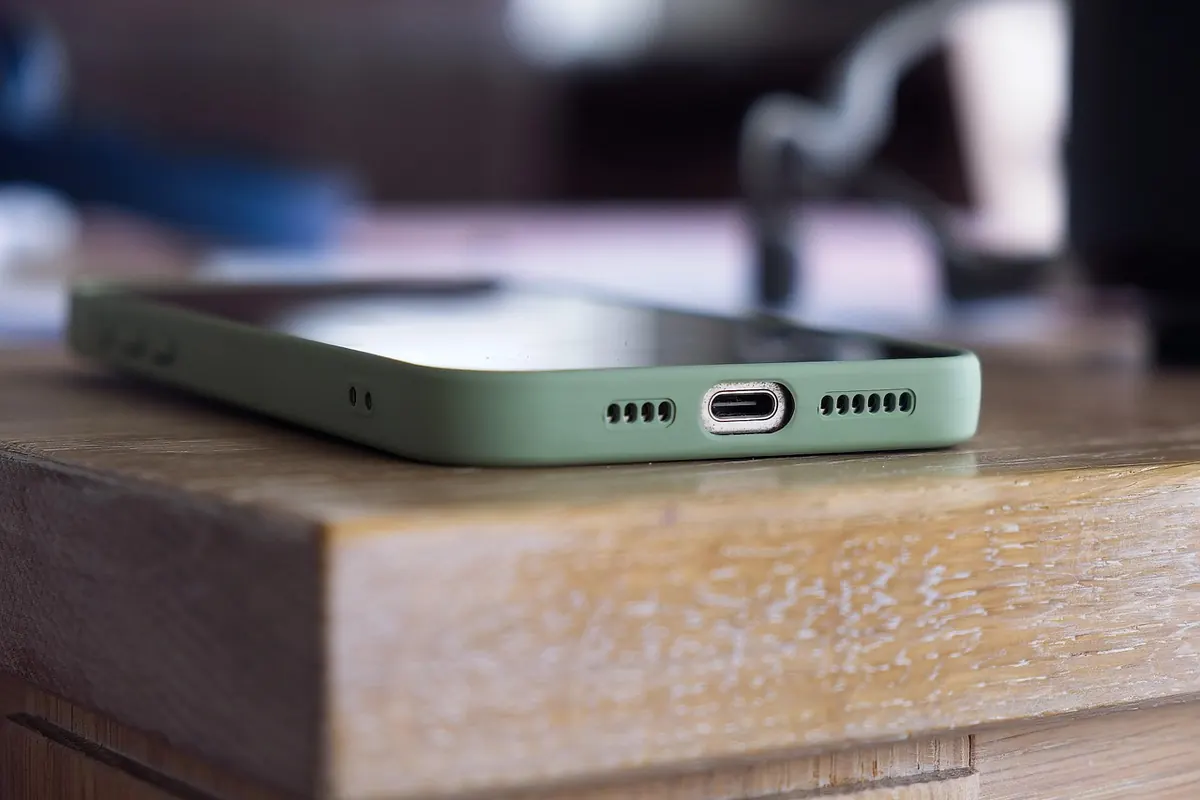
- Charging port. USB-C is standard now, but older stock still turns up with micro-USB. You do not want to be the person carrying two cables.
Comfort is the deal-breaker
You can live with mediocre noise cancelling. You cannot live with a headband that presses on the crown of your head for ninety minutes. Weight matters, but clamping force matters more. Tight cups seal better and cancel more noise, then give you a headache by Leicester.
Watch for three things in particular. Earcup depth, because shallow cups press your ears flat against the driver. Headband padding, which is often the first thing to flatten on budget models. And heat — pleather pads get warm on a packed Tube, so if you run hot, look for breathable fabric pads or accept that you will take them off between stops.
The only reliable test is time. Wear them for an hour at home before you commit, ideally while doing something dull, and see whether you notice them. If you do, send them back.
A first-week routine that saves hassle
Once they arrive, a short setup session makes a real difference:
- Charge them fully, then install the companion app and check for a firmware update. Several budget models ship with ANC that improves noticeably after one update.
- Run the fit test if the app offers one, and adjust the headband so the cups sit centred over your ears rather than behind them.
- Set the ANC to its strongest mode and try it somewhere genuinely noisy — a kitchen extractor fan or a busy road works well.
- Switch on transparency mode and check you can still hear announcements. You will need it at your stop.
- Save your usual journey as a test run. Commute once with them, note what annoyed you, and adjust the EQ before deciding.
Buying without regrets
Buy from a retailer with a straightforward returns process, and keep the packaging until you are sure. Online orders in the UK normally come with a fourteen-day right to cancel, which is your safety net if the fit is wrong. If you buy in person, ask to try them on — most shops will let you.
Also check that replacement earpads are available. Pads are the first thing to wear out, usually within a year or two of daily use, and a pair you cannot re-pad becomes landfill long before the electronics fail. Watch out for marketplace listings that undercut everyone else by a suspicious margin; counterfeit audio gear is common, and it often sounds and cancels far worse than the real thing.
The practical answer
If comfort comes first and you want the safest all-rounder, the Sony WH-CH720N is hard to argue with at this price. If you want the strongest cancellation per pound, look at the Soundcore models and buy whichever is discounted on the day. If battery life is your priority because you never remember to charge anything, the JBL is the pragmatic pick.
Whichever you choose, buy from somewhere that accepts returns, spend the first week testing them properly, and put the money you saved on the ticket towards a decent case. Noise cancelling under £100 is good enough now that the difference between models is rarely dramatic — the difference between a pair that fits and one that does not is enormous.
Photo: Burst / Pexels